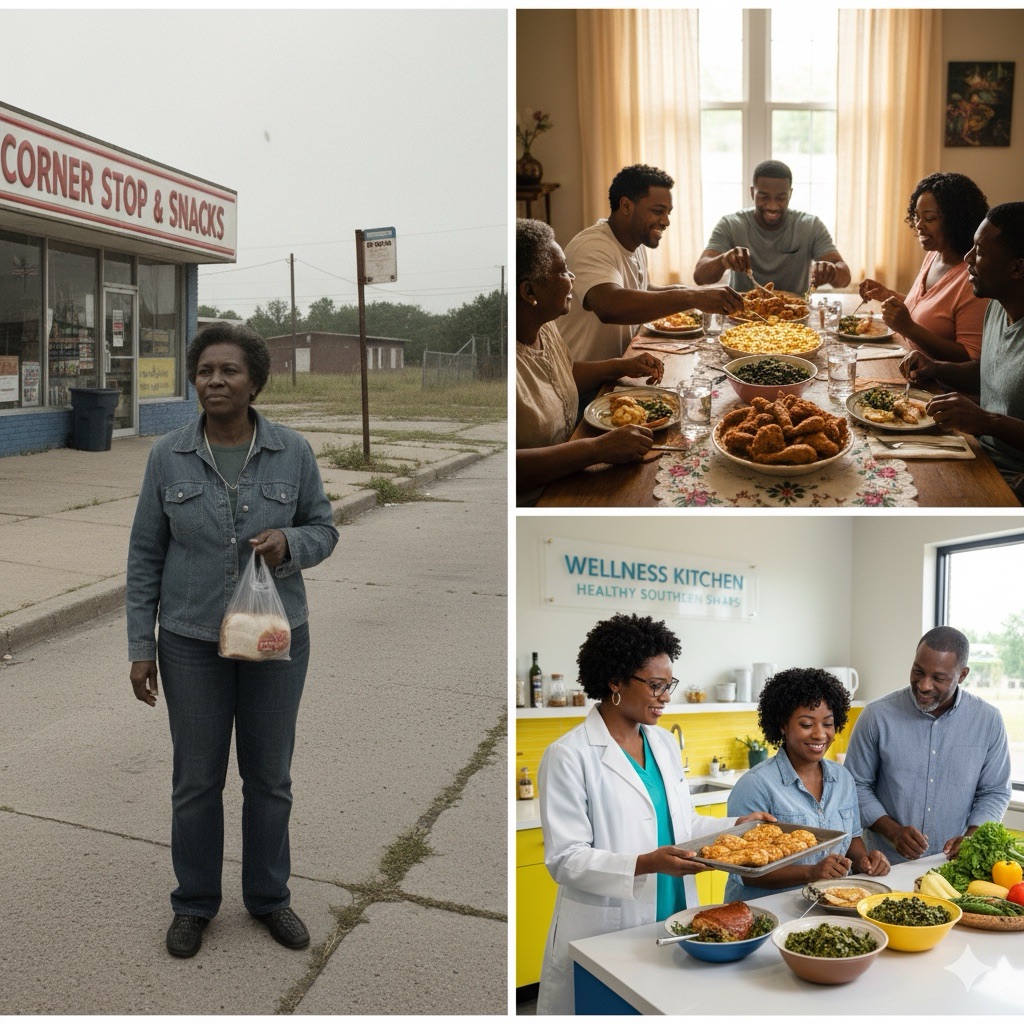
The air in the Deep South is thick, heavy with the scent of magnolias, the promise of rain, and a complex history that seeps into every facet of life—including our health. For Black Americans living in states like Mississippi, Alabama, and Louisiana, managing diabetes isn’t just a personal health journey; it’s a battle fought against a deeply entrenched landscape of systemic disparities, cultural inheritance, and historical trauma.
The data paints a stark picture: Black adults in the U.S. are approximately 60\% more likely than white adults to be diagnosed with diabetes, and the mortality rate from the disease is significantly higher. In the Deep South, where health resources are often scarce and poverty concentrated, these figures are particularly devastating. This isn’t a story about individual failings; it’s a story about environment, history, and the urgent need for change.
The Shadow of Systemic Disparities
The challenges facing Black people with diabetes in the South are rooted in what researchers call the Social Determinants of Health. These are the non-medical factors that influence health outcomes, and for Black communities in the South, they create a perfect storm for chronic disease:
• Poverty and Economic Inequality: The economic legacy of slavery and Jim Crow laws means many Black communities are disproportionately low-income. This translates to limited access to everything that supports good health: quality, affordable healthcare, safe neighborhoods for physical activity, and most critically, nutritious food.
• Food Deserts: In many Deep South towns and cities, grocery stores offering fresh produce are scarce, leaving residents to rely on convenience stores and fast food, creating “food deserts” that force a reliance on less healthy, processed, and high-sugar/high-fat foods.
• Access to Care and Mistrust: Even with insurance, access to specialists like endocrinologists and dietitians can be a barrier due to a shortage of providers, long travel times, and inadequate transportation. Compounding this is a deep-seated mistrust of the medical system, born from historical abuses and ongoing experiences of racial bias and discrimination in clinical settings. This mistrust can lead to delays in seeking care, denial of the diagnosis, and poor adherence to treatment plans.
Beyond Lifestyle: A More Aggressive Disease
For years, Type 2 diabetes was framed purely as a “lifestyle disease”—a result of diet and exercise alone. While these factors are crucial, new research is revealing a more complex, biological truth for Black Americans, particularly in the Deep South.
A cluster analysis conducted in the Deep South found that Black individuals are almost twice as likely to develop a more severe form of the disease called Severe Insulin-Deficient Diabetes (SIDD). This is a crucial finding, as it suggests that for many Black patients, diabetes may be an inherently more aggressive disease, often appearing at a younger age and characterized by impaired insulin production, regardless of obesity or resistance levels.
This finding carries huge implications: it means that an approach focused solely on diet and exercise may not be enough. Physicians must be aware of these subtypes and potentially adjust treatment to be more aggressive with insulin or other therapies earlier in the disease course to prevent severe complications like end-stage renal disease (kidney failure), a complication Black Americans are diagnosed with at more than double the rate of the general population.
The Soul of Southern Food: A Cultural Conflict
One of the most intimate challenges to diabetes management in the Deep South lies in the food—the very fabric of Southern Black culture, often affectionately called Soul Food.
Soul food is more than a cuisine; it’s a tradition born of necessity and resilience. During slavery, enslaved people took the undesirable, leftover parts of food—fatback, hog maws, and cheap cuts of meat—and, with ingenuity, created rich, flavorful, and deeply satisfying dishes. This food is synonymous with fellowship, with church gatherings, Sunday dinner, and celebration.
However, the traditional preparation of these cherished dishes—high in sodium, fat, and sugar (think fried chicken, high-fat cured meats seasoning greens, and heavily sugared desserts)—is fundamentally at odds with diabetes management.
• The Emotional Dedication: Asking a person to abandon collard greens cooked with smoked ham hock, or sweet potato pie, is not just asking them to change their meal plan; it’s asking them to sever an emotional and cultural tie to their family, history, and community.
• The Symbolism of Sharing: Food is deeply ritualized. When a person with diabetes attempts to make a “healthier” alternative, it can sometimes be perceived as rejecting the tradition or even rejecting the love and care of the person who cooked the meal.
The good news is that the core ingredients of traditional African heritage and Southern food—like leafy greens (collards, mustard, turnip), black-eyed peas, and whole grains—are naturally healthy. The key, and the powerful path forward, lies in preparation.
A Path Forward: Culturally Competent Care and Community Power
Overcoming the “hard road to hoe” for diabetes in the Deep South requires a comprehensive, culturally sensitive approach that addresses disparities, not just diagnoses.
1. Culturally Tailored Nutrition: Health educators and dietitians must work with Southern traditions, not against them. This means promoting small, powerful swaps: using smoked turkey instead of ham hock for flavoring greens, baking or broiling meats instead of frying, and reducing added sugars in traditional sweet desserts. It’s about adaptation and preservation, not rejection.

 Black Diabetics
Leave a comment